 Admin Admin
Alternative Energy Using Renewable Fuels.

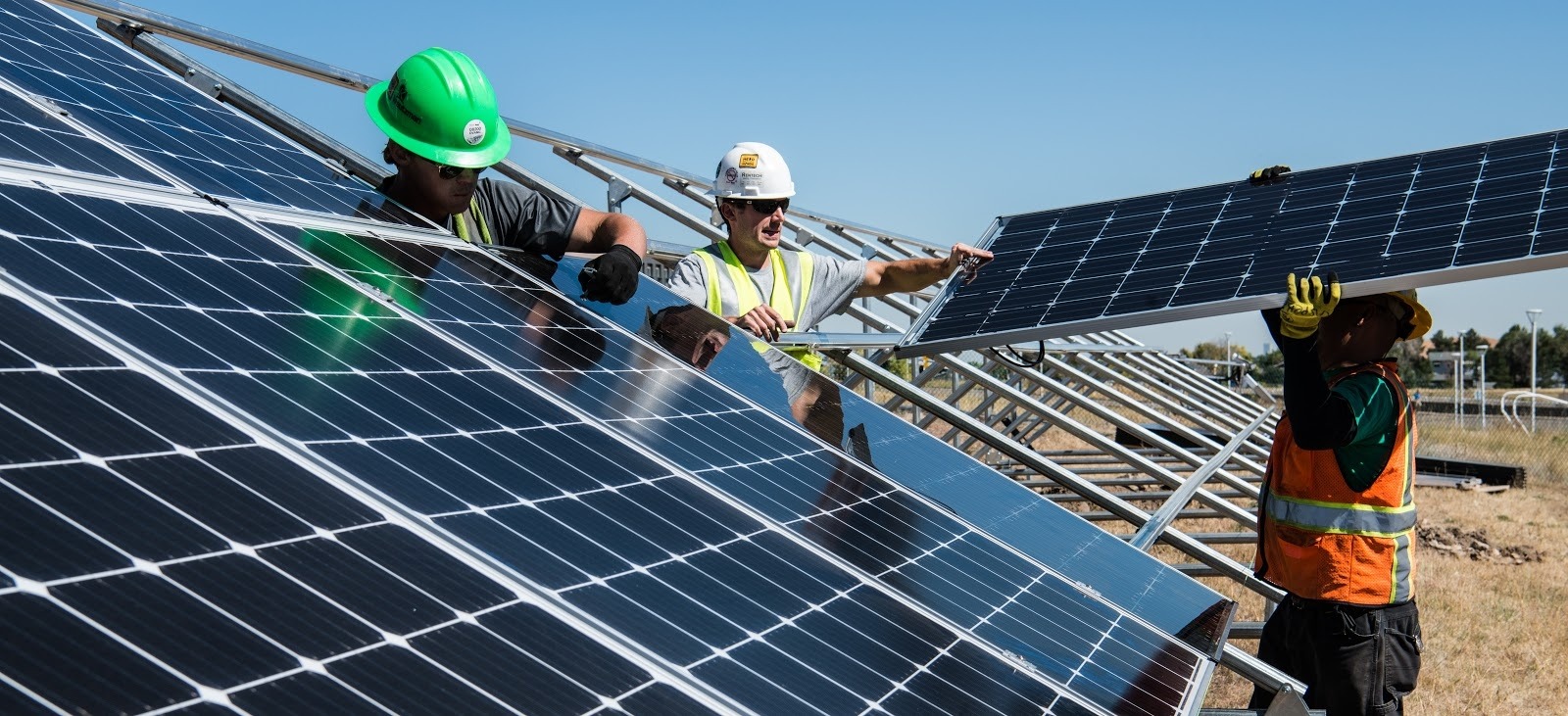
When it comes to renewable fuel sources, the Germans have really taken off, and they have become one of the major players in the alternative energy game. Under the auspices of the country’s electricity feed laws, the German people set a world record in 2006 by investing more than $10 billion (US) in wind turbines, biogas power plants, and solar collection cells.
Germany’s “feed laws” allow German homeowners to connect to an electrical grid using renewable energy and then sell any excess energy produced to the power company at retail prices. This economic incentive has propelled Germany to the top of the world in terms of the number of operational solar arrays, biogas plants, and wind turbines.
CHECK MORE: Nuclear Power as an Alternative Energy Source
These renewable energy sources generate 50 terawatt hours of electricity per year, accounting for 10% of total German energy production. Germany alone installed 100,000 solar energy collection systems in 2006.
BP has established an Energy Biosciences Institute (EBI) in the United States to spearhead extensive new research and development efforts into clean burning renewable energy sources, most notably biofuels for ground vehicles. BP’s investment will be $50 million (US) per year for the next decade.
READ NOW: Symptoms And Treatment Of Menopause
This EBI will be housed at the University of Illinois at Urbana-Champaign. In collaboration with BP, the University will be responsible for the research and development of new biofuel crops, biofuel-delivery agricultural systems, and machines to produce renewable liquid fuels for automobile consumption.
The University will lead efforts in the field of genetic engineering in order to develop more advanced biofuel crops. The EBI will also place a strong emphasis on technological innovations for converting heavy hydrocarbons into clean, efficient fuels.
CHECK THIS ALSO: Ideas for Making Your Event More Interesting and Exciting
In the United States, the battle between Congress and the Geothermal Energy Association continues (GEA). According to the GEA’s Executive Director Karl Gawell, the only way to ensure that DOE and OMB do not simply revert to their irrational insistence on terminating the geothermal research program is to schedule a congressional hearing specifically on geothermal energy, its potential, and the role of federal research.
Furthermore, Gawell claims that recent studies conducted by the National Research Council, the Western Governors’ Association Clean Energy Task Force, and the Massachusetts Institute of Technology all support increasing geothermal research funding in order to develop the technology required to utilize this vast, untapped domestic renewable energy resource.
READ NOW: Residential Real Estate Mortgage Advice
Supporters of geothermal energy, such as this writer, are astounded by the public’s lack of understanding of the enormous benefits that research and development of the renewable alternative energy source would provide the US, both practically and economically. In terms of kilowatt-hours, geothermal energy is already less expensive to produce than the coal that the United States continues to mine.
Geothermal energy is abundant, lying just a few miles beneath our feet and easily accessible through drilling. Ormat, the third largest geothermal energy producer in the United States with plants in several countries, is already a billion-dollar-per-year business—geothermal energy is certainly economically viable.


 Admin Admin