 Admin Admin
Cleaning the Unit Fan is Essential for Computer Maintenance
Between caring for the household, the children, the dogs, and the PTA, regular computer maintenance is probably one of the last things on your mind. Without a regular maintenance program, however, you can discover (the hard way) that a neglected computer is an energy hog – one that works harder than it needs to and could be an expensive replacement.
Let’s discuss the maintenance of hardware. Sometimes, we forget how crucial it is to maintain a computer’s physical components because so much attention is placed on maintaining the operating system. As there may be quite a few components to manage, let’s discuss the most crucial one.
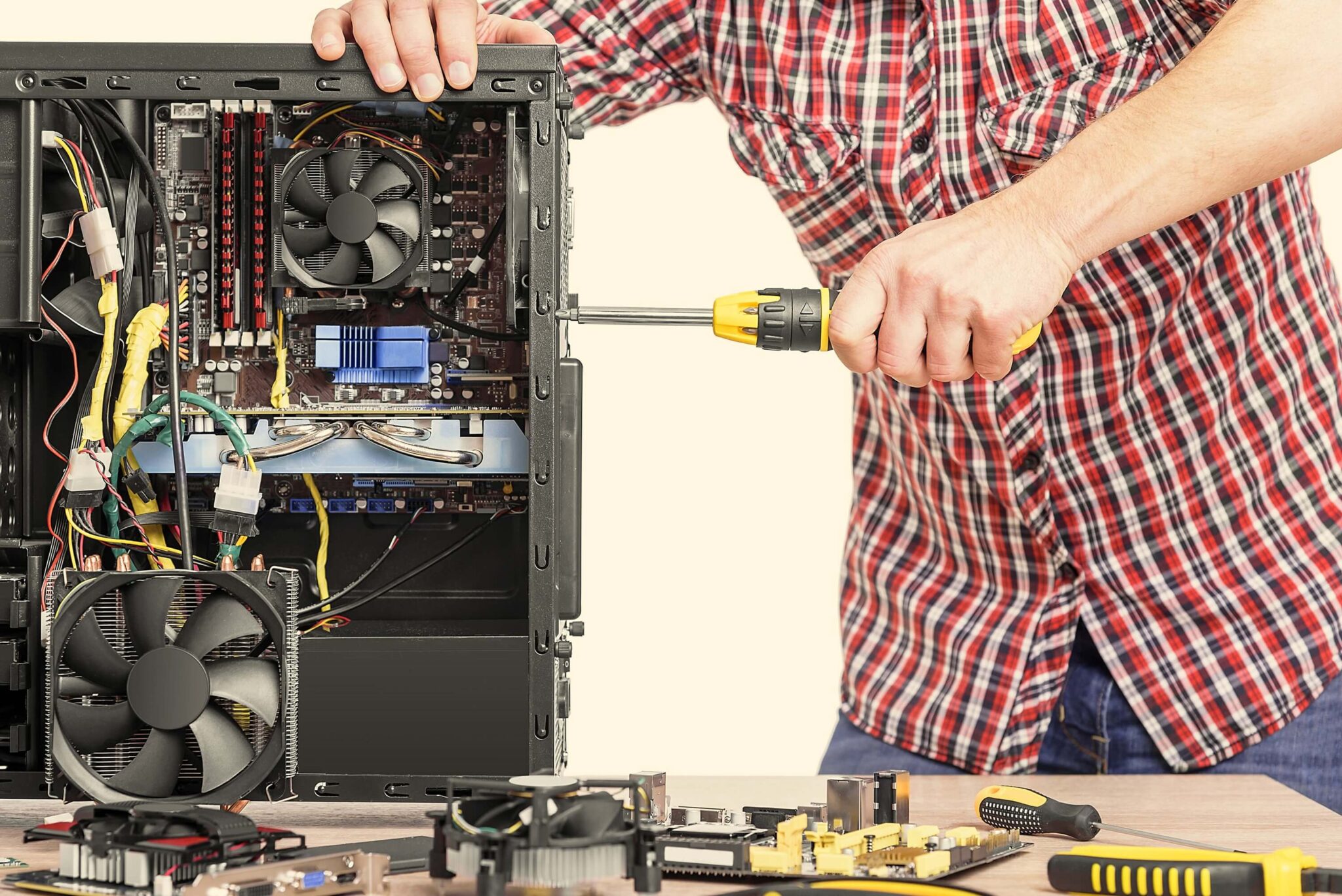
The fan is the most critical component of a computer’s hardware system. The fan is placed on the computer’s central processing unit (CPU), and when it becomes clogged with dirt and dust, it can destroy a computer faster than you can say, “My computer is malfunctioning and I don’t know what’s happening!” In brief, a computer’s fan is crucial for keeping the computer’s motor cool, and this motor is what keeps the computer’s hard drive and peripherals running properly, which translates to “quick.”
A dirty fan does not rotate quickly enough to keep the motor cool, whereas a completely clogged fan ceases to rotate entirely. This causes the computer’s motor to work harder, which can result in a higher electricity cost. In the worst-case scenario, the motor could overheat and fail. No motor equals no computer.
CHECK THIS ALSO: Importance Of Computer Recovery Planning
Maintain the cleanliness of your computer’s fan by avoiding the fan from becoming dirty or dusty. Use the computer in an area free of dust, and never smoke near it. When it comes to computer fans, nicotine and tar are definite death, but if you must clean the fan, do so with utmost caution.
If you’re not confident in your ability to clean your PC without causing additional damage, take it to a shop for servicing. Otherwise, you can manually disconnect and disassemble the computer.
To remove tenacious clumps of dust, you will want a can of compressed air and an anti-static rag. Hold the can vertically and spray the fan, taking care not to spray dust from the fan onto any delicate computer components, such as circuit boards or the motor case. Using an anti-static rag, remove any remaining dust before reassembling the computer.
A vacuum cleaner is an item that should never be used to remove computer dust. Although it may seem logical to use a vacuum cleaner, the vacuum’s powerful suction can ignite dangerous static electricity and pull loose cords. You should also avoid using oil-based cleansers. Although Pledge may leave your hardwood tables and cabinets gleaming, the oil contained in this cleaning will corrode sensitive computer components. Adhere to a liquid-free dusting technique, and your dusting routine will be safe enough to be repeated as often as necessary.
As discussed previously, keeping dust from entering the computer is crucial and will lessen the need to open the system and dust it. Ultimately, the frequency of de-dusting your machine will be determined by the severity of external factors (smoking, humidity, dogs, etc.). On average, though, you should only need to undergo this process once or twice per year.
The entire procedure should take no longer than twenty minutes, after which you will immediately observe and hear the improvement in your machine. The computer’s keyboard and mouse will operate more efficiently, hardware will connect faster, and the machine as a whole will be quieter than if it were covered in filthy dust bunnies.


 Admin Admin