 Admin Admin
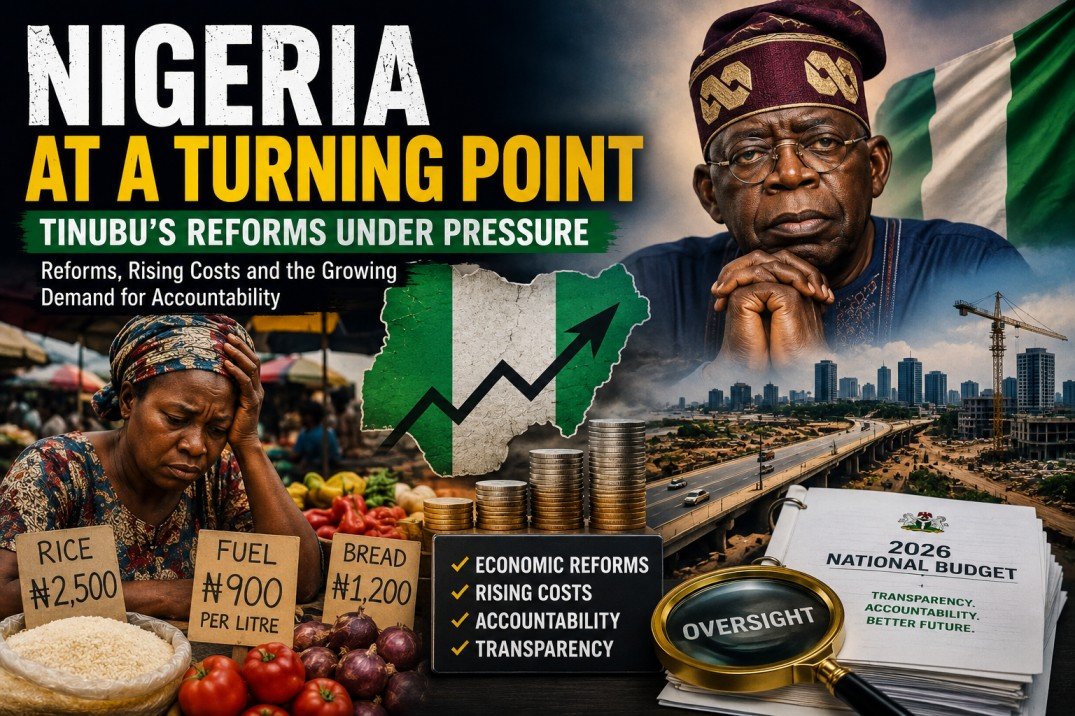
Three years into President Bola Ahmed Tinubu’s administration, Nigeria is at a critical economic crossroads. Major reforms have changed the country’s economic direction, but they have also brought significant pressure on households and businesses.
The government’s biggest decisions include the removal of the petrol subsidy, changes to the foreign-exchange system and major tax reforms. Officials say the measures were necessary to reduce financial pressures on government, improve revenue and attract investment. The administration has also highlighted progress in infrastructure, power, agriculture, education and the oil and gas sector.
However, the reforms have had painful consequences. Higher fuel and transportation costs, expensive food and rising household expenses have made life difficult for many Nigerians. A recent Reuters report found that the cost of basic food and other necessities remains a major concern, even as investors have responded positively to some of the reforms.
The government argues that the economy is gradually stabilising and that the reforms are creating the foundation for long-term growth. It points to stronger government revenues, increased investment and improvements in economic activity as evidence of progress. At the same time, officials have acknowledged that the benefits of reform must reach ordinary Nigerians more directly.
Accountability has also become a major part of the national debate. With government revenue and spending under increasing scrutiny, Nigerians are demanding greater transparency in budgets, procurement and public projects. The government has promised stronger monitoring and better management of public resources.
The pressure is particularly significant because recent reports have raised questions about how government funds are being used. The Finance Ministry has also acknowledged that savings from subsidy and foreign-exchange reforms have largely been absorbed by higher debt-servicing costs and increased government spending.
For the Tinubu administration, the challenge now goes beyond introducing reforms. Nigerians want to see better jobs, affordable food, improved infrastructure, reliable public services and greater accountability.
The economic reset has clearly changed Nigeria’s direction. The bigger question is whether the reforms can deliver meaningful improvements in the daily lives of ordinary citizens while ensuring that public resources are managed responsibly.


 Admin Admin