 Admin Admin
Astrology, Medicine, And Astronomy
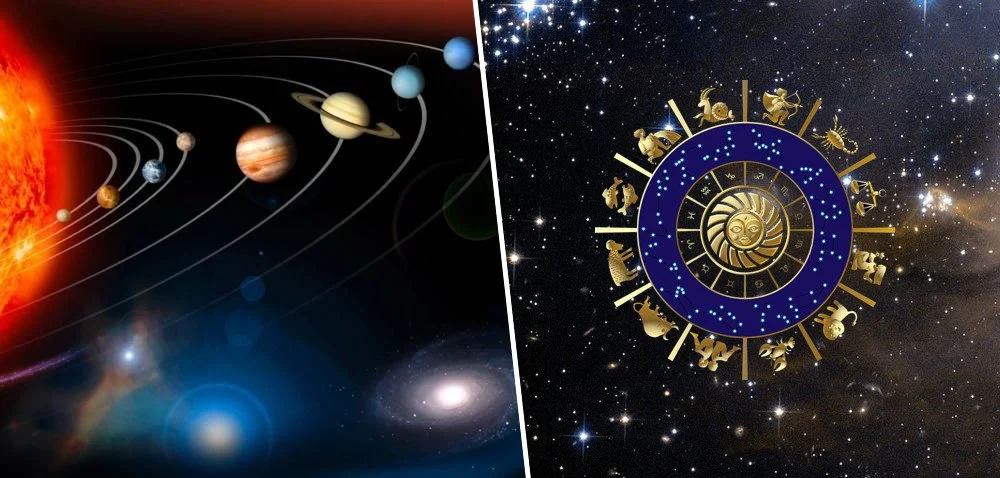
There was a time when astrology was considered a science and was used to make medical diagnoses, just like a patient’s physical symptoms. It’s difficult to say whether we’ve e-evolved or de-evolved because we no longer consider living in harmony with the cosmos.
READ MORE :Ideas for Making Your Event More Interesting and Exciting
We consider ourselves too scientifically advanced to believe that movements in the stars and planets could have a significant impact on our daily lives and health.
But are we correct? Who is to say that man, with his limited intellect, can truly comprehend the workings of the universe or his place within it? Western civilization is built on conquest rather than understanding. But this was not always the case.
Astrology is one of the most important historical contexts for the development of astronomy. The Babylonians meticulously assembled tablets depicting Venus’s position, which was thought to denote omens for weather, war, famine, diseases, rulers, and kingdoms.
CHECK ALSO: 25 Common Causes Of Bad Breath
The Tetrabiblos was written by Claudius Ptolemy, who believed that astrology, like medicine, could be placed on a rational footing. In practice, belief in astrology meant that horoscopes were cast for new-born children, prospective spouses, and political enemies, public buildings were opened on auspicious days, and marriage and other ceremonies were held.
From Roman times, there are numerous records of astrological practice, and physicians routinely consulted astrological charts as part of the diagnostic process.
For example, each sign of the zodiac was thought to rule a different part of the human body: Sagittarius ruled the thighs, Pisces the feet, and so on. When the moon was in the zodiac and ruling a specific part of the body, bloodletting from that part was to be avoided because the moon’s attraction could cause excessive bleeding.
The figure of the ‘zodiac man’ appears in numerous medical manuscripts and almanacs as a reminder of the moon’s specific influence. Furthermore, the moon’s pulling power varied according to its phases, so almanacs usually showed the moon’s phases.


 Admin Admin